Why I Always Take the Back Road (Even When It Adds an Hour)
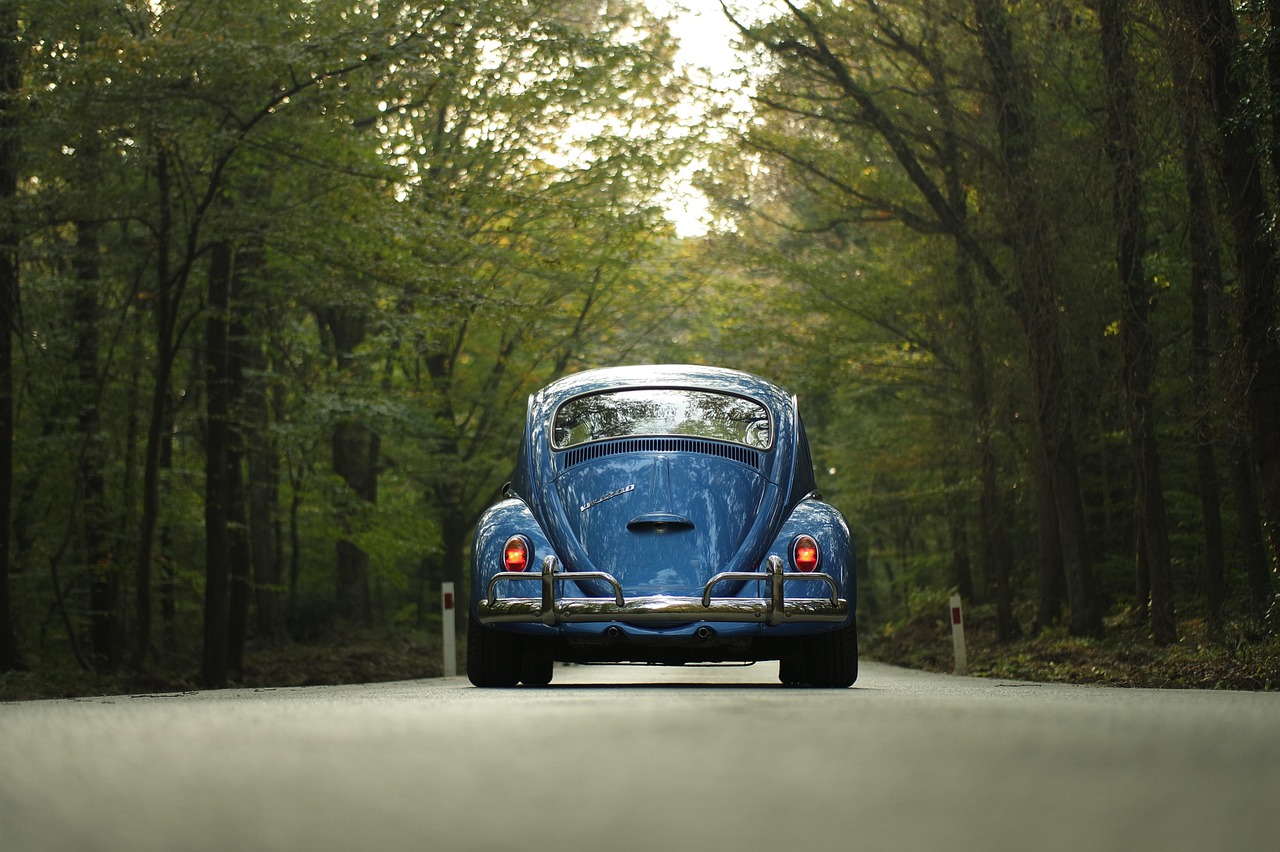
My GPS hates me. It recalculates constantly, insisting I take the interstate, the toll road, the fastest route. The blue line on the screen is always trying to pull me back to the main artery, the place where all the cars are, the place where everything is efficient and nothing is interesting.
I ignore it. I always take the back road.
It started as a practical thing. I was driving from Virginia to Tennessee, and the interstate was backed up for miles. I took an exit on a whim, found a two-lane road that wound through farmland and small towns, and ended up loving every mile of it. I arrived an hour later than I would have, but I also arrived with a story.
That was ten years ago. I haven't looked back since.
What the Interstate Hides
The interstate is designed to be invisible. It's a machine for getting from Point A to Point B, and it does that job well. But in doing so, it erases everything in between. You don't see the towns, the farms, the churches, the diners. You see exit signs and billboards and the backs of trucks. You see nothing that matters.
The back road is the opposite. It's all detail. It's the rusted-out tractor in a field. It's the hand-painted sign for a produce stand that's been there for fifty years. It's the cemetery on a hill, the creek that runs alongside the road, the dog that chases your car for a quarter mile before giving up.
I've found some of my favorite places on back roads. A barbecue joint in rural Alabama where the pitmaster has been smoking meat since he was twelve. A bookstore in a converted barn in Vermont. A hot spring in the middle of nowhere in Idaho, where I soaked for an hour and talked to a stranger about nothing.
None of these places are on the interstate. None of them are on the map. You have to take the long way to find them.
The Case for Slowness
I know it's not practical. I know time is money, and the back road takes more of both. But I've started to think that's the point. The back road forces you to slow down. It forces you to pay attention. It forces you to be somewhere instead of just passing through.
When you're on the interstate, you're not really traveling. You're waiting. You're waiting to arrive, waiting for the trip to be over, waiting for the next thing. The back road doesn't let you do that. It makes the trip the thing.
I've had some of my best conversations on back roads. I've pulled over at roadside stands and talked to farmers about the weather. I've eaten pie at diners where the waitress knew everyone's name. I've stopped at overlooks and watched the sun set over valleys I'd never seen before.
I've also gotten lost. More than once. I've taken wrong turns and ended up on dirt roads that led nowhere. I've had to ask for directions at gas stations where the cashier looked at me like I was from another planet.
But that's part of it, too. Getting lost is how you find things. Taking the wrong turn is how you end up somewhere unexpected. The back road doesn't promise efficiency. It promises surprise.
So I'll keep ignoring my GPS. I'll keep taking the long way. I'll keep adding an hour to my trips and arriving with stories instead of just mileage. Because the back road isn't just a route. It's a way of seeing. And I'd rather see than just arrive.