The Blue Ridge Parkway: A Slow Dance Through the Clouds
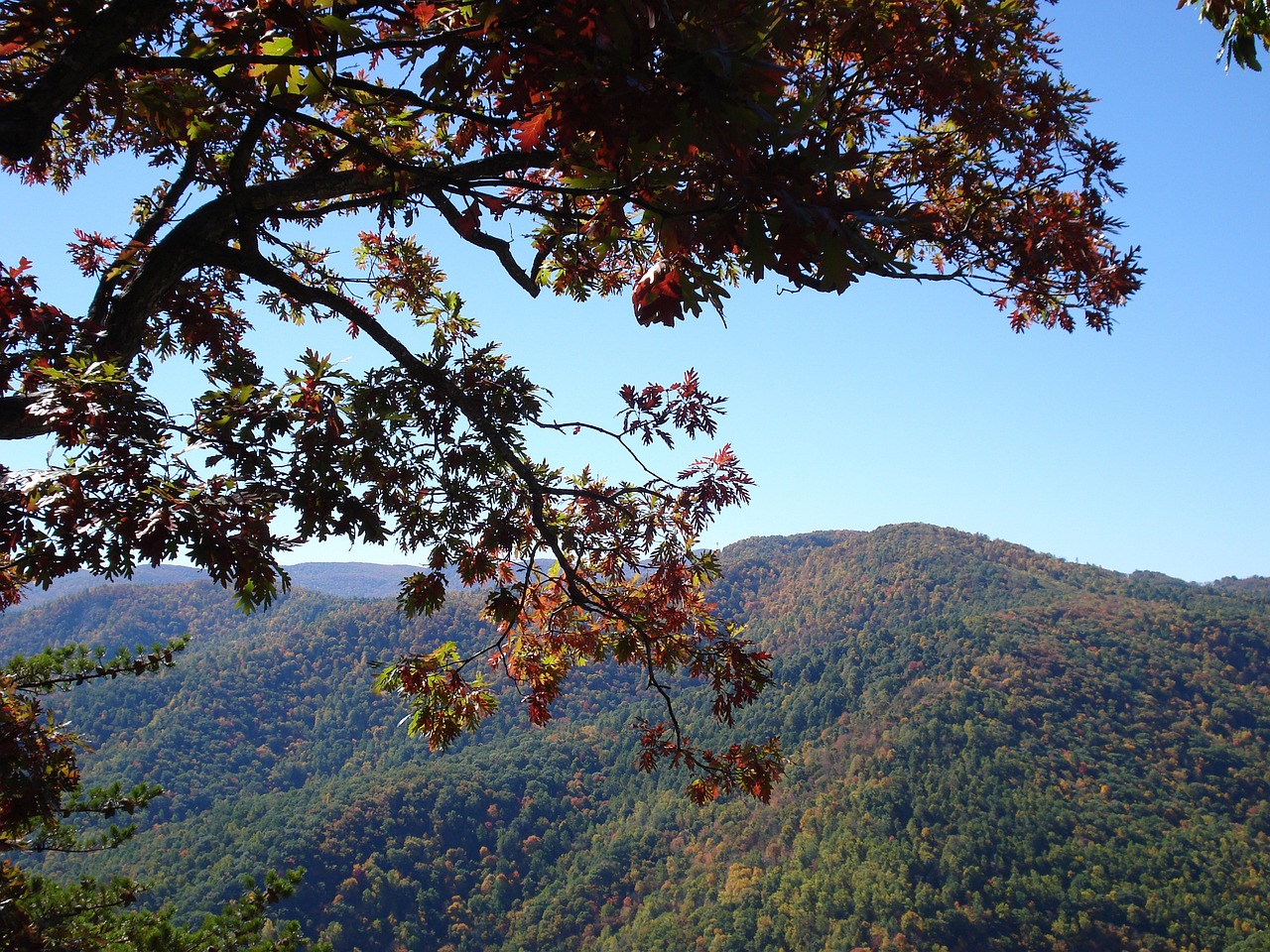
There is a particular kind of silence that settles over the car when you finally leave the interstate behind and merge onto the Blue Ridge Parkway. The engine noise fades into a low hum, the radio static gives way to nothing at all, and suddenly the only sound is the wind pushing through the trees outside your window. I noticed it first somewhere near Fancy Gap, Virginia, when my wife reached over and turned the radio off without saying a word. She didn't need to. The road had already started talking.
Most people treat the parkway as a means to an end, a scenic shortcut between Shenandoah and Great Smoky Mountains National Park. But the road itself is the destination. Its speed limit tops out at 45 miles per hour, and even that feels ambitious when you round a bend and the valley opens up beneath you like a rumpled quilt of green and gray. You learn quickly that the posted limit is less a rule than an invitation.
Where the Road Begins to Feel Like a Story
Our first stop was an overlook with no name I can remember, just a gravel pull-off and a weathered wooden bench facing west. An older couple sat there with thermoses and a bag of pretzels, and the man waved us over like we were old friends. They had been driving the parkway in sections for eleven years, he told us, a few days at a time, always in October. "You can't rush a thing like this," he said, gesturing at the layers of ridge lines stacked behind him. "It's not a highway. It's a conversation."
That phrase stuck with me for the rest of the trip. We started noticing the small things: the way fog clings to the hollows in the early morning, the rusted metal signs marking old homesteads, the apple orchards that appear out of nowhere near milepost 180. We ate lunch at a diner in Floyd, Virginia, where the waitress called everyone "hon" and the sweet tea came in mason jars. We bought a jar of honey from a roadside stand run on the honor system, a coffee can with a slit cut in the lid and a handwritten sign that said "$8, thank you."
The Art of Going Nowhere in Particular
By the third day, we had stopped checking the map. The parkway doesn't really let you get lost, but it does let you get distracted, and that turned out to be the whole point. We pulled over for a family of deer crossing near the Peaks of Otter. We sat on a stone wall for twenty minutes watching clouds move across a valley that seemed to go on forever. We skipped a planned stop in Asheville because a side road looked interesting, and it led us to a tiny town with one traffic light and a bookstore that doubled as a coffee shop.
If you go, bring layers, because the temperature drops fast as you climb. Bring snacks, because services are sparse and hours are unpredictable. Bring a paper map, because cell signal comes and goes like a shy neighbor. But mostly, bring time. The Blue Ridge Parkway is not a road you conquer. It's a road you listen to, one mile at a time, until the noise in your head finally quiets down and you remember why you got in the car in the first place.