The Loneliest Highway in America Taught Me to Slow Down
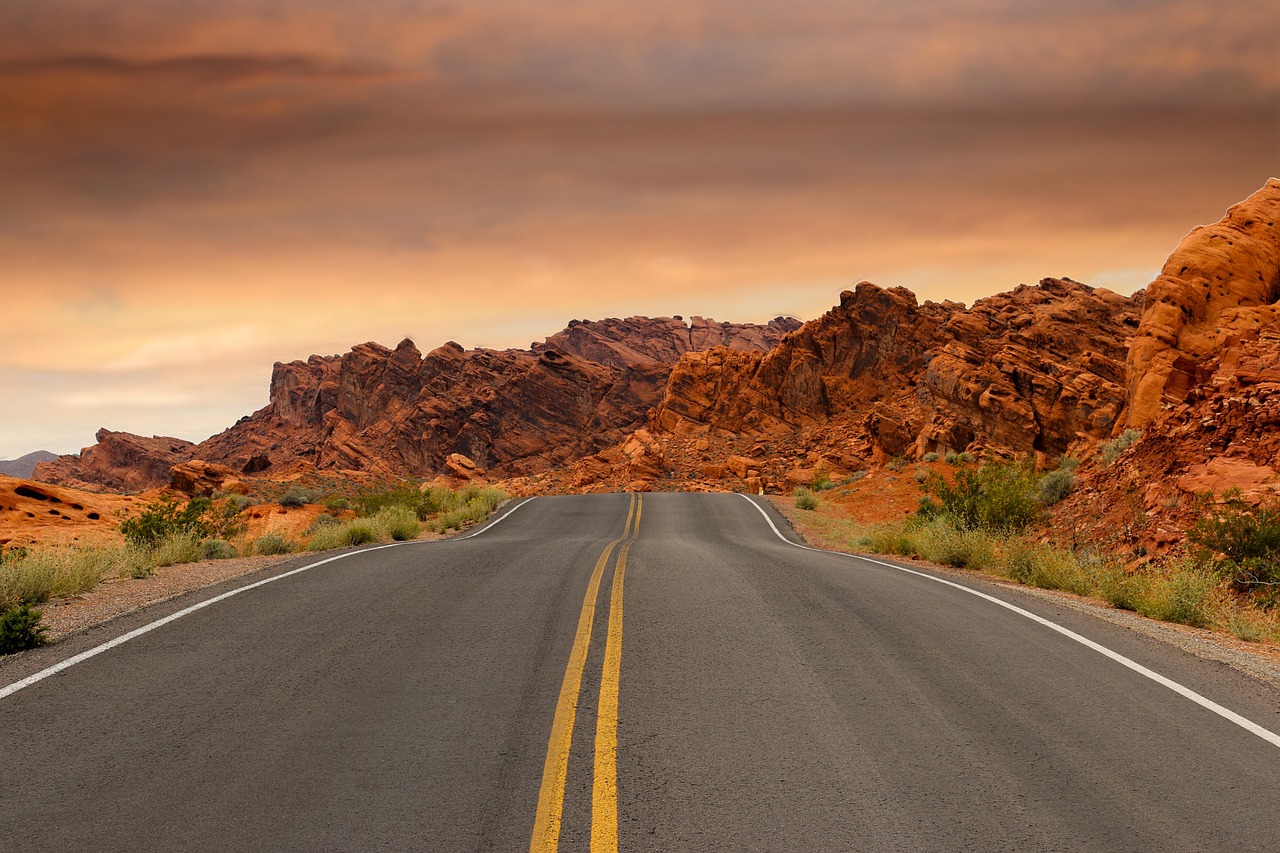
There is a moment on Highway 50, somewhere past Fallon and well before Ely, when the radio gives up entirely. Not static — just nothing. No stations, no signals, no voices. The desert has a way of swallowing sound like that, and for the first twenty minutes it feels like a problem to solve. By the second hour, it feels like a gift.
I had planned this drive the way I plan most things: too carefully. I had a cooler stocked with sandwiches, a printed list of gas stations, and a vague anxiety about breaking down in a place where the nearest tow truck might be ninety miles away. What I hadn't planned for was how much I would come to love the emptiness.
Where the Map Runs Out of Ideas
Highway 50 earned its nickname — the Loneliest Road in America — from a Life magazine article back in 1986, and not much has changed since. The towns along the way are the kind that show up as a single dot on a paper map: Austin, Eureka, Baker. Each one has a story, but you have to be willing to stop and ask.
In Austin, I pulled over at a saloon that had been serving drinks since the 1860s. The bartender, a woman in her sixties with silver hair and a laugh that filled the room, told me about the days when the town had three newspapers and a brothel that doubled as a courthouse. Now there's one bar, one church, and a whole lot of quiet.
"People come through here thinking they're in the middle of nowhere," she said, wiping down the counter. "But nowhere's a place. You just have to sit with it a while."
So I did. I ordered a root beer — I still had three hours of driving ahead — and sat on the porch watching the sun crawl across the mountains. A dog slept in the shade. A truck rumbled past and didn't stop. Nobody was in a hurry, and nobody seemed to mind.
The Art of Driving Without Arriving
Somewhere around Eureka, I realized I had stopped checking the odometer. The road had become less of a means to an end and more of the point itself. The desert wasn't empty — it was full of small things I'd been too distracted to notice. A herd of wild horses grazing near a dry creek bed. The way the light changed every twenty minutes, shifting from gold to rose to something closer to rust.
I pulled over at a rest area with a single picnic table and no other cars. I ate a sandwich that had gotten slightly warm and watched a hawk ride a thermal overhead. My phone had no service. My playlist had run out. For the first time in months, I wasn't thinking about what came next.
That's the thing about the loneliest highway. It doesn't try to entertain you. It doesn't offer distractions or billboards or reasons to hurry. It just stretches out ahead of you, mile after mile, and waits to see if you're willing to meet it on its own terms.
By the time I reached Ely, the sun was setting behind the Schell Creek Range, and I felt like I had been gone for a week instead of a day. I checked into a motel with a neon sign that buzzed like a trapped fly, and I slept better than I had in years. The desert does that to you. It strips away everything unnecessary and leaves you with exactly what you brought — which, it turns out, was never as much as I thought.