The Motel With No Wi-Fi and the Best Night of Sleep I've Had in Years
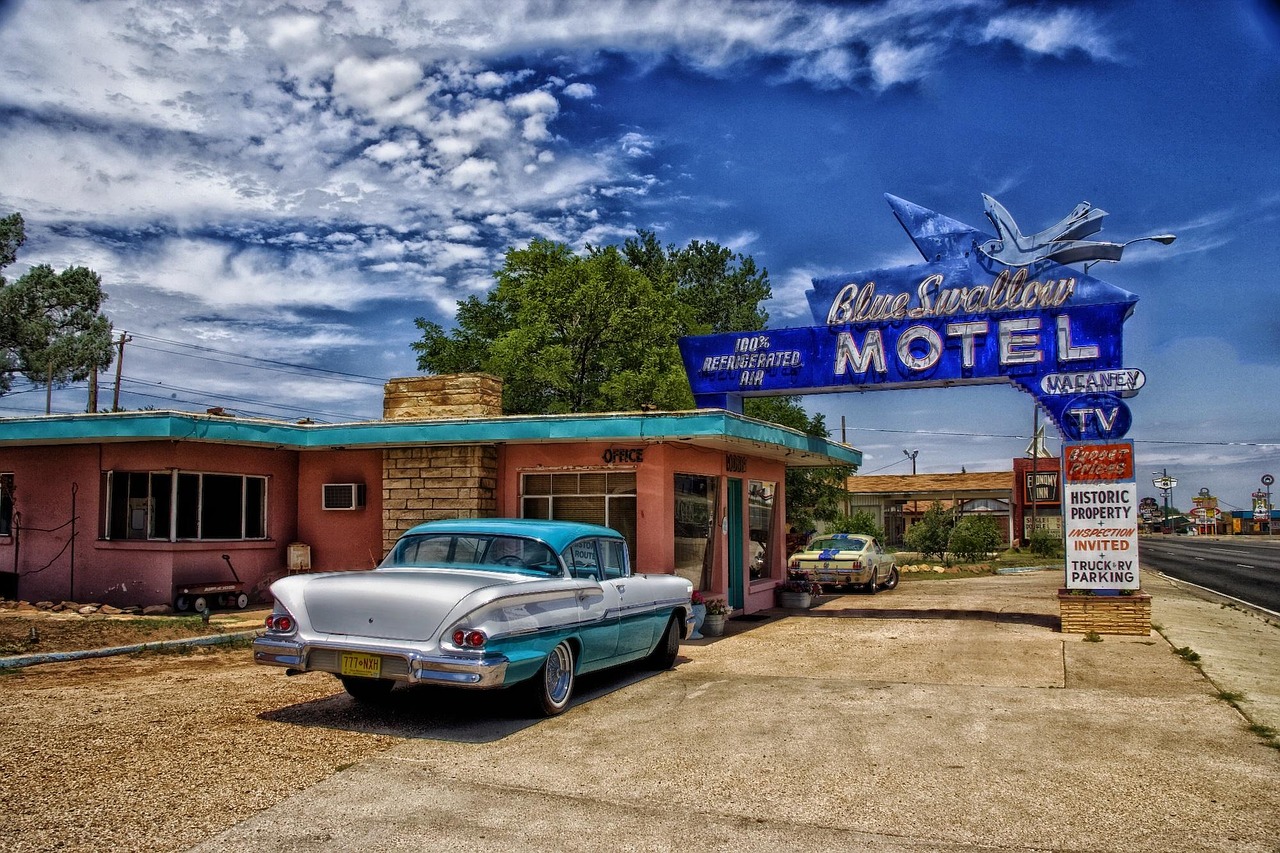
The first thing I noticed was the sign: NO WI-FI. NO CABLE. NO PROBLEM. It was hand-painted, slightly crooked, and hanging above the check-in desk of a motel that looked like it hadn't changed since 1972. I had booked the room on a whim, desperate for a place to sleep after a long day of driving, and I hadn't read the reviews.
The second thing I noticed was the silence. Not the quiet kind — the real kind, the kind that presses against your ears and makes you aware of your own breathing. The motel sat at the end of a gravel road, surrounded by trees, with nothing else around for miles. No highway noise. No neighbors. No hum of appliances or buzz of fluorescent lights.
I checked in, carried my bag to my room, and sat on the bed. The bedspread was a faded floral pattern. The lamp was shaped like a pheasant. The television — one of those old tube models — had a note taped to it that said "Unplugged for your own good."
I laughed out loud. Then I plugged my phone into the charger, turned it off, and went to sleep at 8:30 p.m.
The Luxury of Doing Nothing
I woke up twelve hours later. Twelve hours. I hadn't slept that long since I was a teenager. I lay in bed for a while, listening to the birds outside the window, watching the light shift across the ceiling. I didn't reach for my phone. I didn't check the time. I just lay there, existing, and it was the most luxurious thing I had done in years.
Breakfast was included — not a continental spread of sad pastries and lukewarm coffee, but a real breakfast. The owner, a woman in her sixties named Ruth, cooked eggs and bacon and biscuits on a griddle in the motel's tiny kitchen. She served it on a porch overlooking a creek, and she sat with me while I ate.
"Most people don't know what to do with themselves," she said, pouring me a second cup of coffee. "They come in here, and they're twitchy. They keep looking at their phones. They ask if there's a bar nearby, or a movie theater, or something to do. I tell them, 'Honey, the something to do is sit here and look at the creek.'"
So I did. I sat on the porch for three hours, watching the water move over the rocks, listening to Ruth tell stories about the motel — how she and her husband bought it in 1985, how they raised two kids in the back rooms, how she'd been running it alone since he passed five years ago.
"People think they want entertainment," she said. "What they really want is to slow down. They just don't know how."
I spent the rest of the day doing nothing. I walked down to the creek and skipped stones. I read a book I'd been carrying around for months but never opened. I took a nap in a hammock strung between two trees. I ate dinner — a simple plate of roasted chicken and vegetables — and went to bed before the sun went down.
What I Brought Home
I stayed three nights. By the end, I had stopped reaching for my phone. I had stopped thinking about work, about emails, about the endless list of things I needed to do. I had stopped feeling like I was wasting time.
When I finally left, Ruth handed me a bag of biscuits and a piece of advice. "Don't wait until you're exhausted to rest," she said. "Rest before you need it. That's the secret."
I drove home feeling lighter than I had in months. I didn't turn on the radio. I didn't check my phone at stoplights. I just drove, and watched the mountains, and thought about nothing in particular.
I haven't found another motel like Ruth's. But I've learned to look for them — the places that don't try to entertain you, that don't offer distractions, that just give you a room and a creek and the space to be quiet. They're harder to find than they used to be. But they're worth looking for.