What I Learned About Grief on a Drive Through the Ozarks
My father loved maps. Not the digital kind — the paper kind, the ones you unfold across a kitchen table and trace with your finger. He had a whole drawer full of them, dog-eared and coffee-stained, each one marked with routes he'd driven or wanted to drive. The Ozarks were on his list. They'd been on his list for twenty years.
He died in February, and by October I couldn't stand being in the house anymore. So I packed a bag, printed out a route, and drove south toward the mountains he never got to see.
The Road He Would Have Taken
I didn't plan the trip carefully. I didn't want to. I wanted to get lost, to take wrong turns, to end up somewhere unexpected. That felt like the right way to honor a man who had spent his whole life planning routes he never drove.
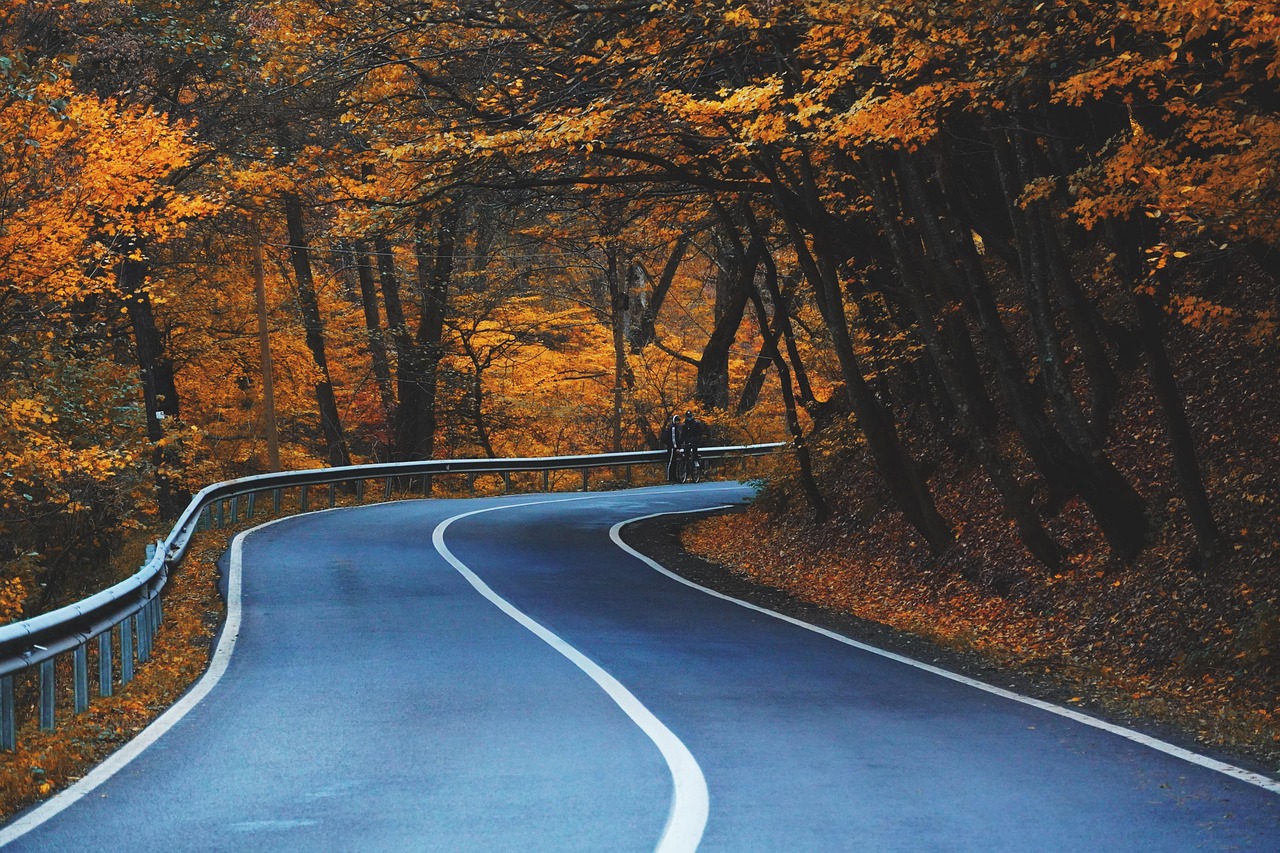
The Ozarks in autumn are almost unbearably beautiful. The hills roll like waves, covered in oak and hickory and maple, all of it burning orange and red and gold. The air smells like woodsmoke and wet leaves. Every few miles, there's a pull-off with a view that makes you forget whatever you were thinking about.
I stopped at a general store in a town called Calico Rock — population 1,500, give or take — and bought a cup of coffee and a ham sandwich. The woman behind the counter asked where I was headed. I told her I didn't know.
"That's the best way to do it," she said. "Most people come through here with a plan. They miss everything."
She was right. I drove for three days without a destination, following roads that curved and climbed and dipped into valleys so quiet I could hear my own heartbeat. I ate at diners where the waitresses called me "hon" and the pies were made that morning. I slept in a motel that still used actual keys. I talked to strangers about nothing and everything.
And somewhere along the way, I started talking to my dad.
Not out loud — I'm not that person — but in my head, the way you do when you're alone for too long. I told him about the trees. I told him about the diner in Mountain View where the owner played fiddle on Saturday nights. I told him about the road that wound along the Buffalo National River, how the water looked like glass, how I wished he could see it.
I cried in a parking lot outside a gas station in Jasper. I laughed at a sign that said "Free Coffee Tomorrow." I ate a piece of pecan pie that was so good I ordered a second slice and didn't feel guilty about it.
Finding Him in the Miles
Here's what I learned: grief doesn't go away. It just changes shape. It becomes something you carry with you, something that sits in the passenger seat and rides along. Sometimes it's heavy. Sometimes it's light. But it's always there.
And that's okay. Because the alternative — forgetting — is worse.
On the last day of the trip, I pulled over at an overlook near the Arkansas-Missouri border. The sun was setting, and the hills were fading into purple and gray. I sat on the hood of my car and watched the light disappear.
"We made it," I said out loud. "We finally made it."
I don't know if he heard me. I don't know if he was there at all. But for a moment, the loneliness lifted, and I felt something close to peace.
I drove home the next day, taking the long way. I stopped at a roadside stand and bought a bag of apples. I took a picture of a barn that reminded me of the one on his parents' farm. I listened to the radio and didn't change the station when a song came on that made me sad.
Grief is a road trip. You don't know where you're going, and you can't plan for what you'll find. But if you're willing to keep driving, you'll end up somewhere worth being.